

Choosing a Single Bunkbed
Single bunk beds are a great option to make the most of the floor space in small bedrooms. They are also common in youth psychiatric and rehabilitation centers where space is limited.
Bunk beds may have ladders that are straight or inclined. The ladders that are angled can leave the lower bunk unlocked, which makes it more comfortable for adults. They also give an elegant appearance. Some have stairs that require more space, but are more secure and easy to climb.
Space-saving
Bunk beds are ideal for reducing space, especially in dormitories or rooms that are shared. They can free space for furniture or activities, and provide an inviting sleeping area for kids and adults sharing the room. However, it's important to think about how a bunk bed can influence the overall layout of the room.
Single bunk beds are available in many configurations that can be adapted to different bedroom sizes. Twin over twin frames for instance can be able to accommodate two beds and are a popular option for rooms that are shared by siblings. Full over full bunks are perfect for older children who wish to share a room but don't require as much floor space. Many bunk beds also come with built-in wardrobes. These can help keep clothing organized and reduce clutter on the floor.
When you are choosing a bunk bed for your child, you can also look for ones with Trundle beds that provide extra sleeping space for guests or family members who visit. Bunk beds with trundles can be beneficial in smaller living spaces like dorms or studio rooms. They are an excellent option for families with several children who need to sleep together in the same bedroom.
While bunk beds can help save space, they can be a challenge to clean and maintain. Their multi-tier structure can hold dust and other debris that is difficult to reach. In fact, bunk beds could require 20% more cleaning time than traditional single beds. Therefore, it's crucial to follow proper hygiene protocols and regularly check bunk beds to ensure that they are safe for use.
In the end, the best option for your child's bunk bed is based on your preferences and the space available. Choose a sturdy and sturdy design and be sure to follow the manufacturer's weight limits to avoid structural failure. Remember to follow the instructions to assemble and use your bunk bed.
These facilities are typically temporary residences for patients, which is why it's crucial to balance costs at the beginning with the long-term benefits. The ideal bunkbed can make a huge difference in the use of space in your facility, patient satisfaction, and overall design.
Convenience
A bunk bed is the ideal solution for saving space in tiny rooms or guest rooms. Bunk beds can also be an excellent way for siblings to share one room without feeling cramped. Bunk beds are available in a variety of designs, sizes, and finishes that can fit into any decor. The right single bunkbed depends on your budget, space, and needs. Here are a few things to think about when buying a bunkbed:
The most popular type of bunk bed is a full over twin. They are made up of two mattress frames that are twin-sized stacked on top of each other. Other kinds of bunk beds include full over full, L-shaped or even triple sleepers. Each has its own advantages. In just click the following internet page are the most popular over full beds for families with small children. This is because they offer enough space for parents and their children to rest comfortably.
You can also think up your own ideas and add some unique features to your bunk bed. They could include slides or the top of a tent. You can also include an area for fort. These are fantastic additions to any room, especially for kids. You can find bunk beds that have hidden storage to reduce clutter and make the most of space within a small space.
A single bunk bed can be transformed into a daybed. This is an excellent option for guests who intend to stay for a prolonged period. It also allows your children to have their own sleeping space as they grow older.
If you're looking for a secure and practical bunk bed, search for one that has safety rails. They can keep your children safe and will prevent injuries should they fall off the top bunk. Also, you should cover the floor below the bunks and inspect the fittings on a regular basis for any looseness. Also, ensure that your bunk beds come with an assurance of structural integrity.
While bunk beds can be a great solution for saving space in rooms, they could also limit design flexibility in the near future. This is particularly the case in healthcare settings, where patients are often required to alter their bed arrangements or layouts of rooms. The Metal Bunkable Single Bed solves this problem by providing the same features as the standard bunk bed, but with the added benefit of being able to move it from one side of the room to the other.
Safety
Bunk beds are an ideal solution for cramped rooms, particularly in rehab centers and youth mental health units. They are a great way to make space for several patients to sleep in the same room without requiring more space. Bunk beds must be positioned and maintained in a way that prevents injuries to their users. It is crucial to place an area rug under the bed in order to keep children from tripping or falling and also to keep them from sharp objects like mirrors and curtains.
A bunk bed must have guard rails on both sides of the mattress, and the top edge of the guardrail must be at least 5 inches above the mattress's surface. Additionally, there must be no gaps between the guardrail and the mattress foundation that could catch a child's head or foot. The gaps can be tested by passing a 9-inch diameter rigid sphere through them according to strict procedures.
The ladder used to reach the upper bunk must be sturdy and firmly fixed to the frame. It shouldn't be too steep or loose and must be kept away from other items and toys to minimize the risk of children using them as climbing structures. The ladder should only be used to get up and down from bed. Children should be urged to use it with caution. Children should not play on beds or climb on them or jump on them. They should not hang anything from their headboards, footboards or slats, since they could be strangulation hazards.
It is also essential to make sure that the bunk bed is positioned away from blinds, windows and other obstructions that could lead to fall-related entrapment or even falls. A bunk bed should be placed away from heaters, ceiling lights and fans to minimize fire hazards.
It is essential to follow the care instructions and warnings given by the manufacturer of bunk beds, and also to verify the condition and safety features on a regular basis. It is also recommended to educate children about the risks associated with bunk beds and to stop horses from playing on bunk beds.
Customization
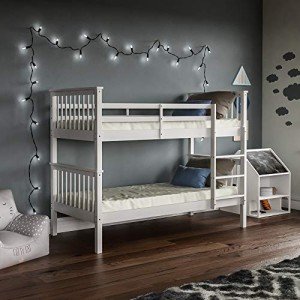
Consider the layout of your bedroom as well as the space you have when considering a single-bunk bed. Many bunk beds are configured with a standard twin over full arrangement, but there are many more options that offer different configurations and a variety of configurations. A bunk bed with two mattresses on top, a staircase or storage drawers under can be more useful and free up wall space to accommodate furniture such as a bookcase or dresser.
Bunk frames for beds can be constructed out of a variety of materials with wood being the preferred choice. Metal bunk beds are typically less durable than a solid wooden bed, and they may rust over time, leading to an uneven and unsafe structure. In addition, metal bunk beds can produce squeaking and creaking noises at night that can disturb sleep. Solid wood bunks aren't only more durable but also offer a more natural sleeping environment.
Custom wood bunk beds can be constructed with a variety of aspects that can provide personal touch to the room. Many customers put curtains in the space in front of the stairs, or on each bunk to make it more private. Some customers have added an extra space on the side of the bunk bed to give their kids a desk, shelf, or another space to store their books, toys and more.
The height of the bed is another important consideration when it comes to a single bunkbed. Some lower quality beds have a small headroom at the top, making it difficult for adults and taller children to comfortably sleep up there. This could pose an issue for safety and could cause neck or back pain in the night.
A bunk bed made of wooden that is top quality can have a full-height top bed that gives everyone in the family enough space to comfortably sleep. This kind of bunk can be used in a variety room sizes and is especially beneficial when there are several children sharing the same bedroom.